
Dryer Vent Cleaning in Sacramento, CA
Prevent Fires & Save Energy – Professional Dryer Vent Service in Sacramento
Professional Dryer Vent Cleaning in Sacramento
A clogged dryer vent is a fire hazard that is easy to overlook, because the duct is hidden inside a wall, ceiling or crawl space. If your clothes are taking too long to dry, your vent may be blocked. We remove lint buildup from the whole vent so the dryer can exhaust heat and moisture the way it was designed to.
At Aloha Home Services, we clean your entire dryer vent line from the dryer connection to the exterior exhaust. A clear vent shortens drying times, reduces fire risk and means the dryer uses less energy on every load. The business is owner-operated by Joe, based in Arden-Arcade, and serves the greater Sacramento area.
Schedule Your Cleaning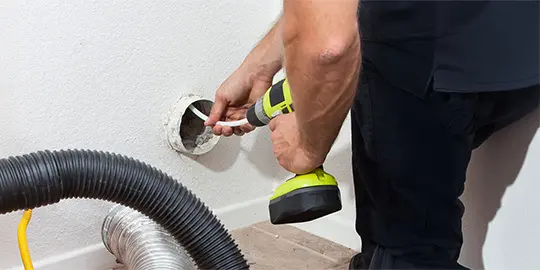
Warning Signs You Need Dryer Vent Cleaning
A dryer works by pushing hot, damp air out of the house. When the vent is restricted, that air has nowhere to go, and the symptoms show up in the laundry room first:
- Long dry times: a normal load needs a second cycle, or heavy items like towels and jeans come out damp.
- A hot dryer or laundry room: the top of the dryer is hot to the touch, or the room heats up noticeably while a load is running.
- A burning smell: a scorched or hot-lint smell during a cycle. Stop using the dryer until the vent has been checked.
- Lint around the outside hood: lint stuck to the hood, the wall or the ground below it, or lint collecting behind the dryer.
- A flap that does not open: the damper on the outside hood should swing open when the dryer is on. If it barely moves, very little air is getting through.
- Humidity: the laundry room feels damp, or windows and walls nearby fog up while the dryer is running.
- The dryer shuts off early: many dryers have a safety cutoff that stops the cycle when the machine overheats.
- No record of the last cleaning: if it has been more than a year, or you have just moved in and do not know, it is time for a look.
What a Dryer Vent Cleaning Visit Involves
A proper cleaning covers the whole vent, from the back of the dryer to the point where the air leaves the house. Here is what happens during a visit, in order:
- Inspect the run and the termination: we find where the vent exits, check the outside hood, and note the length of the duct, the number of bends and the material it is made of.
- Disconnect the dryer: the dryer is pulled forward and the transition hose is taken off, so both the hose and the wall connection can be reached. With a gas dryer, care is taken not to strain the gas line.
- Brush and vacuum the full duct: rotating brushes on flexible rods are fed through the entire length of the duct to loosen compacted lint, while a vacuum collects it so it does not end up in the laundry room.
- Clean the termination hood: lint, nesting material and debris are cleared from the outside hood, and the damper or louvers are checked to make sure they open and close freely.
- Clean the lint trap housing: the cavity under the lint screen holds lint that the screen does not catch, so it is cleaned out as well.
- Reconnect the dryer: the transition hose is cleaned or, if it is crushed or torn, flagged for replacement. It is then refitted without kinks and the dryer is moved back into place.
- Check the airflow: the dryer is run and the airflow at the outside hood is checked, which confirms the vent is clear from end to end.
Why Dryer Vent Cleaning Matters
Dryer lint is combustible. It is made of fine, dry fibers, and it collects in exactly the place where a dryer sends its hottest air. As the lint builds up, airflow drops, the dryer runs hotter and for longer, and the heating element or burner works next to a growing layer of fuel. The U.S. Fire Administration reports roughly 2,900 home clothes dryer fires a year, with failure to clean the leading cause.
Fire is the serious risk, but not the only cost. A dryer that needs two cycles to dry one load uses more energy and wears out sooner, and moisture that cannot escape can condense inside the duct. With a gas dryer, the vent also carries combustion gases out of the house. Our article on how Sacramento homeowners can prevent dryer fires covers the habits that help between cleanings, and our dryer vent fire statistics post looks at the numbers in more depth.
Vent Types and Problem Setups
How quickly a vent clogs, and how it has to be cleaned, depends mostly on where the dryer sits in the house and how the duct gets outside. These are the setups that cause the most trouble.
Long Runs and Multiple Bends
The shortest, straightest path outside is always the easiest for a dryer. Every extra foot of duct and every elbow slows the air down, and slower air drops more lint along the way. Dryer manufacturers publish a maximum vent length for each model, and each bend counts against it. A long run with several turns needs cleaning more often and has to be brushed along its full length, sometimes from both ends.
Roof and Sidewall Terminations
A sidewall termination is the common setup when the dryer sits on an outside wall: a short duct and a hood a few feet off the ground that is easy to check. A roof termination is used when there is no practical route to a wall. The air has to push lint straight up, and a stuck damper or a clogged roof cap can go unnoticed for a long time, so the cap itself has to be reached and cleared as part of the job.
Second-Floor and Interior Laundry Rooms
Laundry rooms in the middle of the house, in hallway closets or on the second floor are convenient, but they usually mean a longer duct running through a ceiling, a floor cavity or the attic. Part of the inspection is tracing where the duct actually goes and where it comes out.
Foil or Plastic Flex Duct Versus Rigid Metal
Smooth rigid metal duct is the right material for the concealed part of a dryer vent. Its walls are smooth, so lint has little to hold on to, and it does not sag or burn. Foil and plastic flex duct have ribbed walls that trap lint, sag between supports and are easily crushed, and thin plastic or vinyl duct can melt or burn. If we find flex duct inside a wall or attic, we will point it out, because replacing it with rigid metal is a lasting fix that cleaning alone cannot provide.
Crushed Transition Hoses
The transition hose is the short flexible connector between the dryer and the wall. It is the part most often damaged, usually because the dryer has been pushed back too far and the hose is flattened or kinked behind it. A crushed hose can choke the airflow even when the rest of the vent is clean. The fix is a correctly sized metal connector, cut to length and routed so it keeps its shape when the dryer is back in place.
Bird Nests and Screens on Vent Hoods
A warm, sheltered vent hood is an attractive nesting spot, and a nest can block a vent completely in a short time. A flap that is stuck open, or twigs and grass showing at the hood, are the usual clues. The tempting fix is to cover the opening with a screen, but a screen catches lint and clogs quickly. A hood with a working damper, or a guard made for dryer vents, keeps birds out without trapping lint.
How Often Should a Dryer Vent Be Cleaned?
As a general recommendation, most households should have the dryer vent cleaned at least once a year. Some homes need it more often:
- Heavy use: large families and anyone running loads most days of the week.
- Long or complicated runs: roof terminations, second-floor laundry rooms and ducts with several bends.
- Pets: pet hair adds to the lint load and tends to mat together inside the duct.
- Any warning sign: if dry times are getting longer, do not wait for the yearly visit.
Between professional cleanings, clean the lint screen before every load and take a look at the outside hood now and then to make sure the flap opens when the dryer is running.
Apartments, Condos and Property Managers
Dryer vents in apartments and condos are often longer than in single-family homes, because the laundry closet is usually in the middle of the unit and the duct has to travel to an outside wall or the roof. In a condo, check whether you or the homeowners association is responsible for vent maintenance before booking. Property managers and landlords can arrange cleaning for a single unit at turnover or for several units in the same building. Tell us how many units there are and where the vents terminate, and we will provide a free written estimate before any work starts.
Pair It With a Chimney Visit
Chimney work is the main part of our business, and many customers have the dryer vent cleaned during the same appointment as their chimney sweep and inspection. Both jobs are about making sure heat and exhaust leave the house through a clear path, and doing them together means one appointment for the year.
Service Area and Estimates
We clean dryer vents throughout the greater Sacramento area, including Sacramento, Arden-Arcade, Carmichael and Citrus Heights, along with the other communities listed at the bottom of this page. Customers have left us a 5.0-star rating across 350+ Google reviews.
Every job starts with a free written estimate, given before any work begins, so you know what is involved up front. Call Joe at (916) 699-1664, message us on WhatsApp, or send us a message. We are open Monday to Thursday 8am to 6pm, Friday 8am to 4pm and Sunday 9am to 4pm, and closed on Saturday.
Before & After
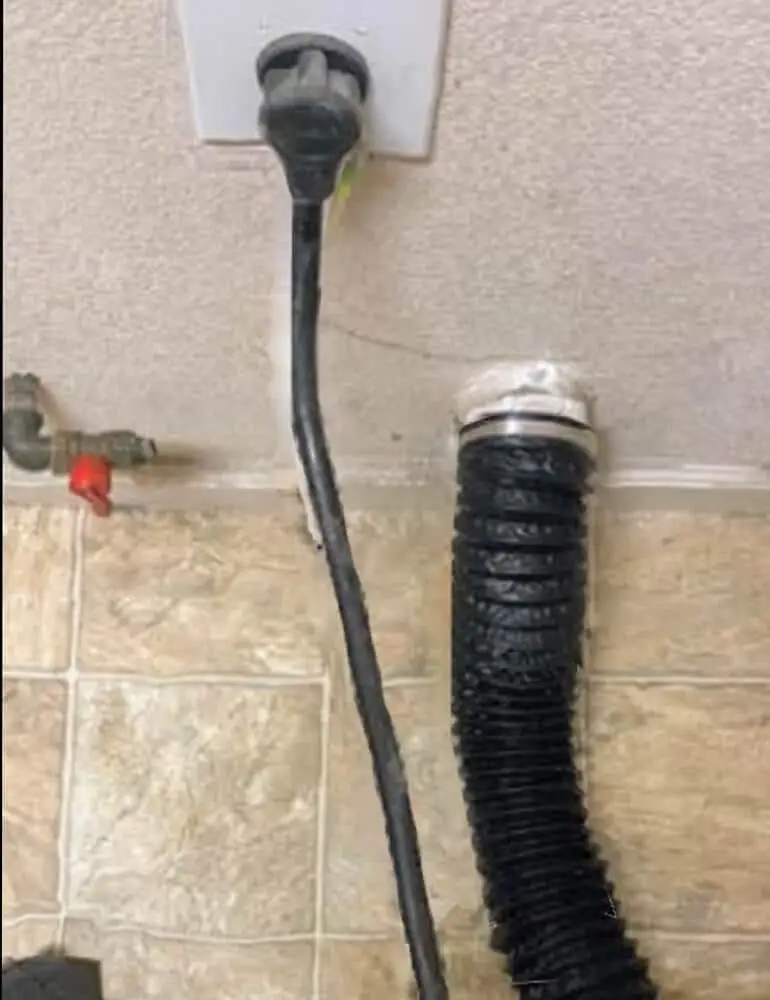
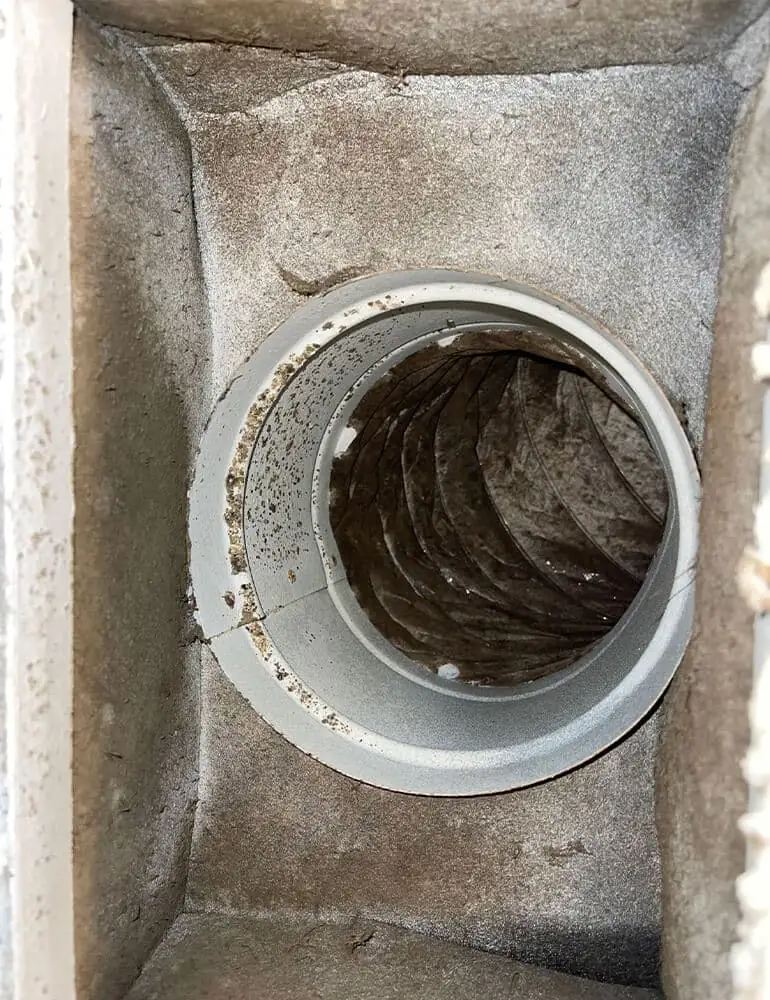 Before
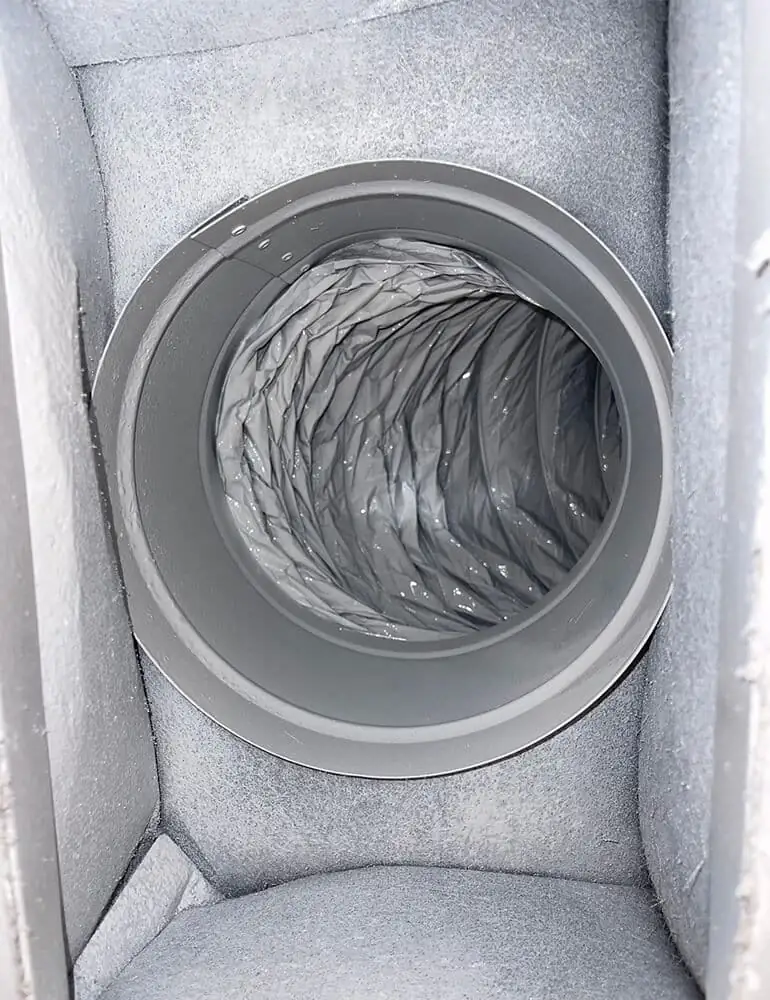 After
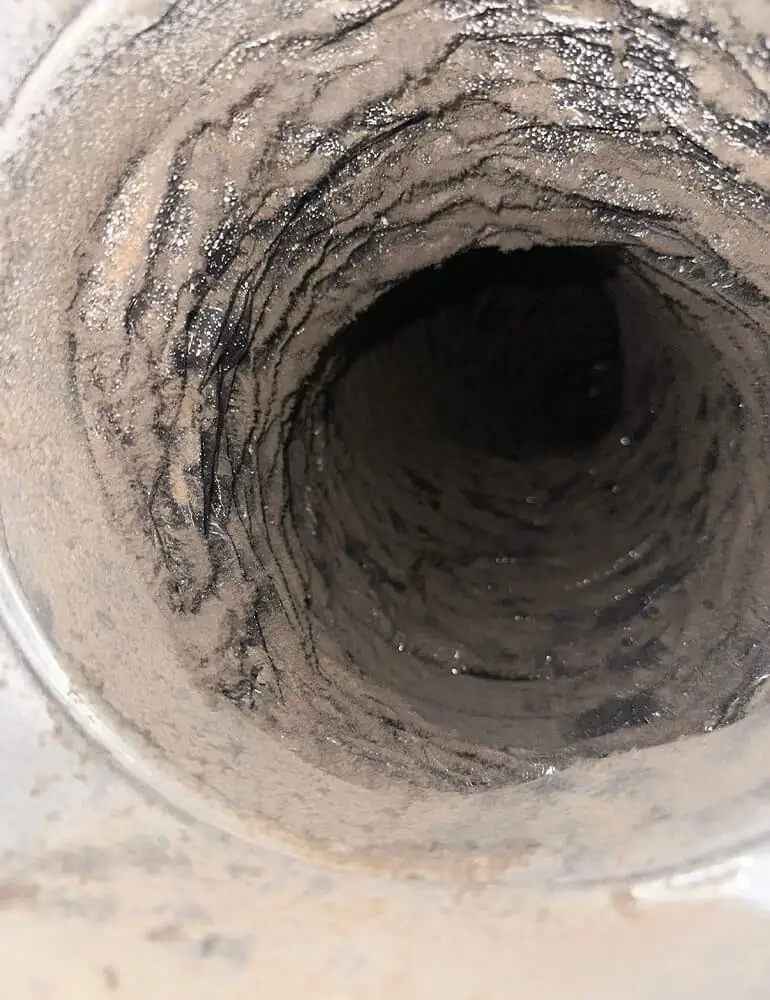
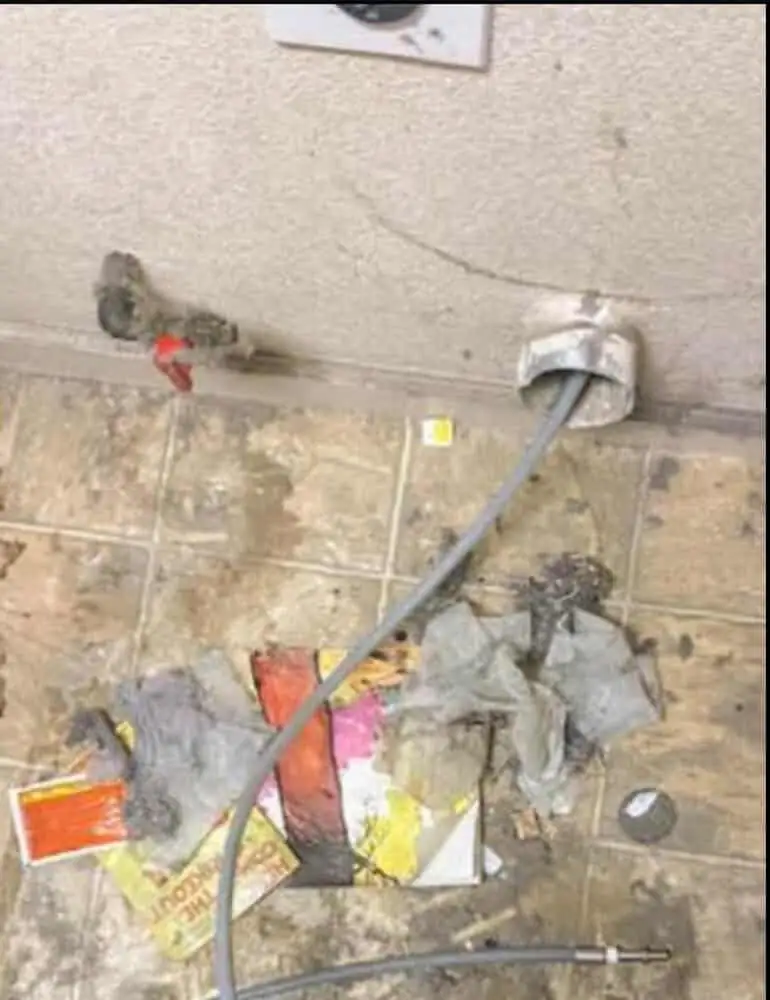 Before
 After
 Before
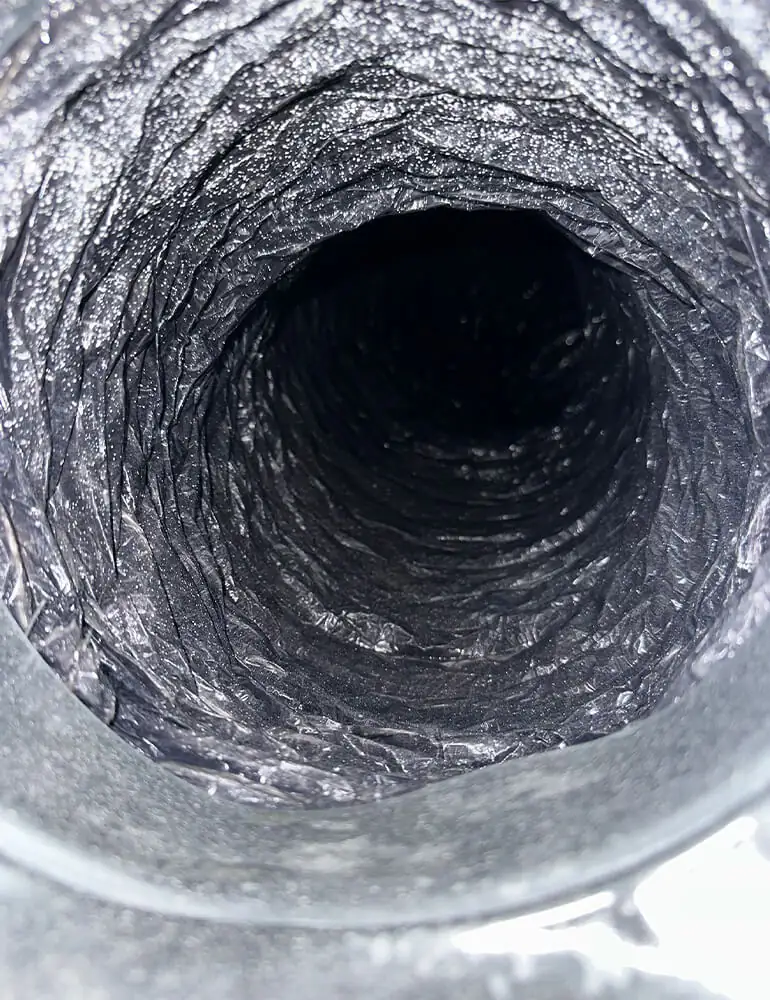 After
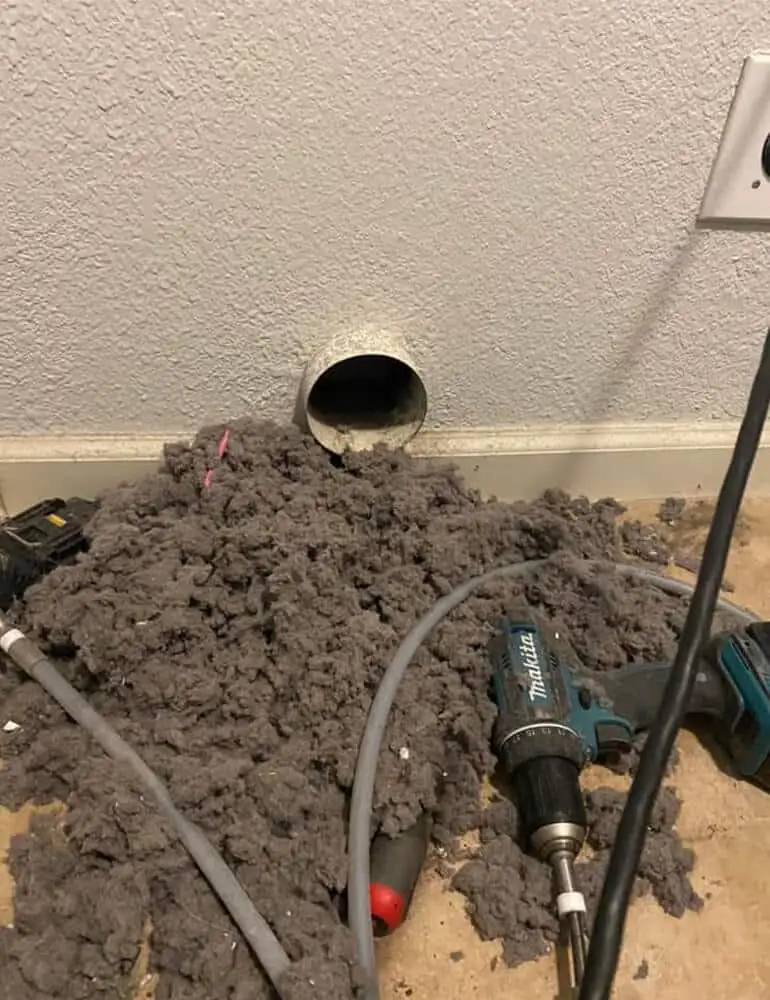 Before
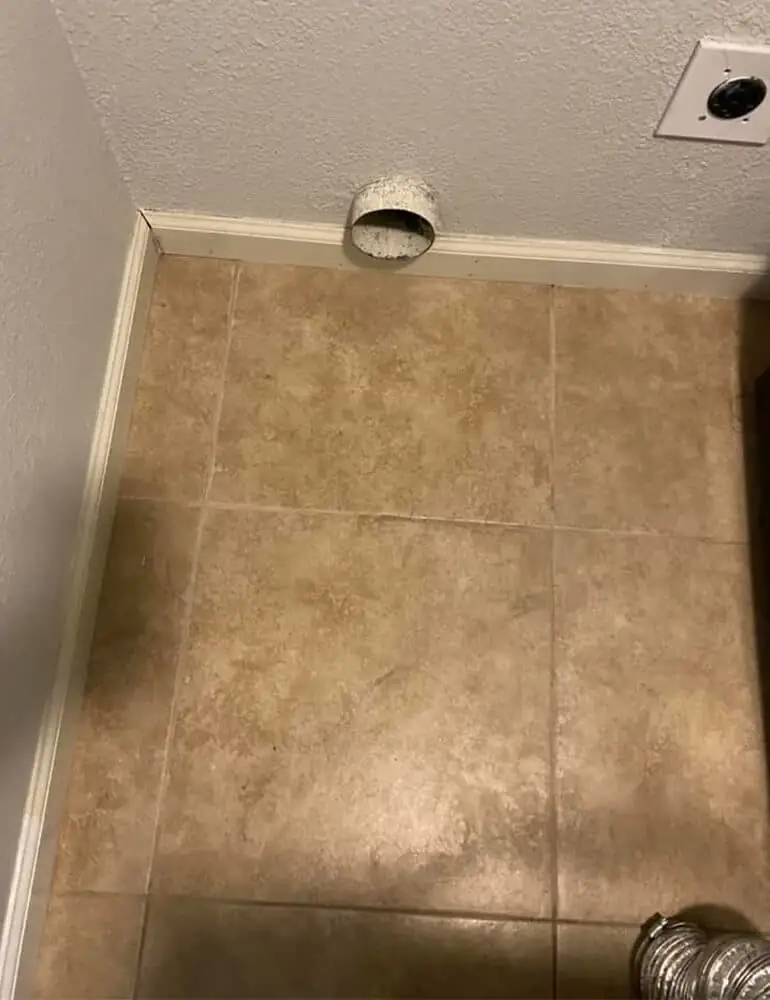 After
Related Articles

Dryer Vent Cleaning FAQ
How often should I clean my dryer vent?
At least once per year. Large families, pet owners, or homes with vents over 15 feet should clean every 6-9 months.
How do I know if my dryer vent is clogged?
Warning signs include clothes taking multiple cycles to dry, the dryer feeling hot, burning smell, or the outside vent flap not opening.
Can a clogged dryer vent cause a fire?
Yes. Dryer lint is combustible, and a blocked vent makes the dryer run hotter. The U.S. Fire Administration reports roughly 2,900 home clothes dryer fires a year, with failure to clean the leading cause.
Is cleaning the lint screen enough to keep the vent clear?
No. The lint screen catches most of the lint, but some gets past it on every load and settles in the screen housing, the transition hose and the duct inside the wall or ceiling. Clean the screen before every load, and have the full vent run cleaned on a regular schedule to remove what the screen misses.
Can you clean a dryer vent that exits through the roof?
Yes. A roof termination is cleaned like any other vent, with the added step of going up on the roof to clear the cap and check that its damper moves freely. A vertical run makes the dryer push lint upward, so lint tends to settle in it, and the cap is out of sight. A yearly check is a sensible schedule.
How much does dryer vent cleaning cost in Sacramento?
The price depends on the length of the vent run, where it terminates, how easy the dryer and the outside hood are to reach, and how much buildup there is. We give you a free written estimate before any work starts, so you know the cost up front. Call (916) 699-1664 to get one.
Protect Your Home Today
Don't wait for a dryer fire. Schedule your professional vent cleaning now.
Licensed, Insured, and Dedicated to Your Safety.